

Biophilic Architecture: The Future of Sustainable Design
Biophilic Architecture: The Future of Sustainable Design
In today’s fast-paced urban environments, the connection
between humans and nature is often lost amid concrete jungles. However,
architects and engineers are increasingly turning to biophilic design to
reintroduce natural elements into built spaces, enhancing well-being,
sustainability, and efficiency. Biophilic architecture is not just a trend—it
is a revolution in how we perceive and interact with our surroundings.
Biophilic architecture is an innovative design approach that
integrates nature into buildings through elements like natural lighting,
ventilation, green spaces, and organic materials. The goal is to create
environments that promote health, productivity, and emotional well-being while
reducing the ecological footprint of construction.
This design philosophy emphasizes natural elements and
materials, utilizing wood, stone, and other raw materials to foster a sense of
warmth and connection to nature. Green spaces and living walls, including
rooftop gardens, vertical forests, and indoor plants, contribute to air
purification, heat reduction, and aesthetic beauty. Maximizing natural light
through large windows, skylights, and open floor plans reduces reliance on
artificial lighting. Water features, such as fountains and rainwater harvesting
systems, create a soothing atmosphere while enhancing sustainability. Organic
forms and patterns inspired by nature, such as fractals, honeycomb structures,
and wave-like forms, add harmony to architectural compositions. Seamless
indoor-outdoor transitions through expansive balconies, courtyards, and
open-air corridors enhance spatial experiences and foster a direct connection
with nature.
Biophilic architecture offers numerous benefits. It improves
mental health by reducing stress, enhancing cognitive function, and promoting
overall happiness. Energy efficiency is achieved through natural ventilation,
daylight optimization, and passive cooling techniques, significantly lowering
energy consumption. Workspaces designed with biophilic principles lead to
higher productivity, increased creativity, and greater workplace satisfaction.
Enhanced air quality results from the absorption of carbon dioxide and
pollutants by plants and green facades, creating healthier indoor environments.
Additionally, climate adaptability is a key advantage, as biophilic buildings
are better suited to local climates, mitigating urban heat island effects and
promoting resilience.
Several iconic examples highlight the impact of biophilic
architecture. The Bosco Verticale in Italy features residential towers covered
with over 900 trees and 20,000 plants that regulate temperature and improve air
quality. The Eden Project in the UK consists of geodesic biodomes housing
thousands of plant species, emphasizing the relationship between nature and
architecture. Singapore’s Changi Airport incorporates the Rain Vortex waterfall
and lush gardens, transforming an airport into a tranquil, biophilic haven. The
Amazon Spheres in the USA consist of three interconnected glass domes in
Seattle with over 40,000 plants, creating an immersive, natural workspace for
Amazon employees.
As climate change and urbanization continue to challenge the
built environment, biophilic architecture offers a sustainable and holistic
approach to design. By fostering a closer bond with nature, architects and
engineers can create healthier, more livable spaces that benefit both people
and the planet. The future of architecture isn’t just about aesthetics—it’s
about harmony with nature. Whether in homes, offices, or public spaces,
biophilic design is leading the way toward a greener, more sustainable future.
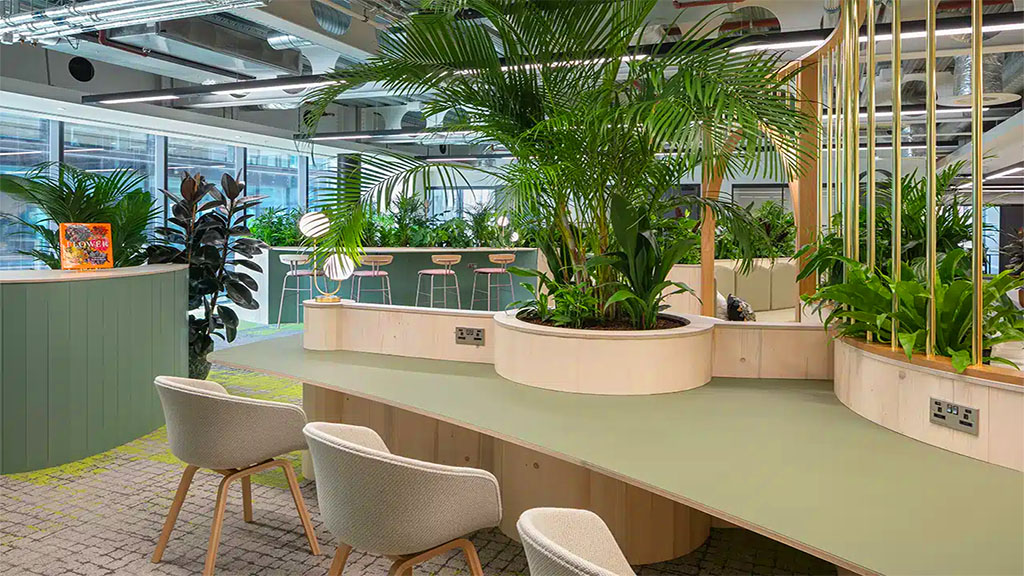
Image courtesy : adt workplace